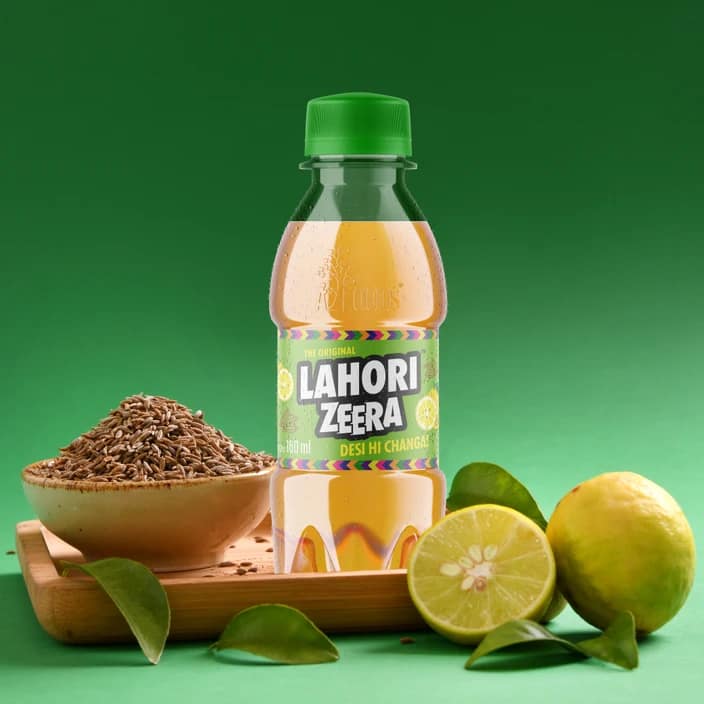
In 2017, three cousins from Punjab set out to disrupt India’s beverage market. Their weapon? Zeera (cumin) – a traditional Indian flavor, often found at weddings and roadside eateries. Today, their brand “Lahori Zeera” is not just a household name, but a ₹300+ crore brand that’s challenging global beverage giants like Coca-Cola and Pepsi.
🚀 The Humble Beginnings
The journey began in 2017, in a small bottling unit in Punjab. The idea was simple: bring back the nostalgic taste of traditional Indian drinks, but in a ready-to-drink, fizzy avatar, at an affordable price.
Priced at just ₹10 per bottle, Lahori Zeera immediately struck a chord with Tier 2 and Tier 3 city consumers who were looking for desi alternatives to expensive international colas.
📈 Exponential Growth: Year by Year
| Year | Milestone | Estimated Revenue |
|---|---|---|
| 2017 | Launch in Punjab with one bottling unit | ₹20–30 lakh |
| 2018 | Spread to neighboring states like Haryana | ₹5–10 crore |
| 2020 | Became popular across North India | ₹25–30 crore |
| 2022 | Crossed ₹100 crore; ₹900+ crore valuation | ₹120 crore |
| 2024 | Crossed ₹300 crore; 2 million bottles/day | ₹300+ crore |
| 2025* | Projected ₹500–600 crore; 8M bottles/day goal | ₹500–600 crore (est.) |
*Projected figures based on market analysis and funding announcements.
🧠 What Made Lahori Zeera Stand Out?
1. The Price Point
At just ₹10, it became the go-to choice for daily wage workers, students, and rural consumers who previously found Coke or Pepsi unaffordable.
2. Cultural Connect
While most beverage brands focused on western flavors, Lahori tapped into Indian tastebuds with zeera, limboo, mango, and kacha aam variants — flavors that reminded people of home.
3. Asset-Light Distribution
Rather than owning all manufacturing, Lahori Zeera followed an asset-light model, working with co-bottlers to reduce costs and scale rapidly.
4. Viral Marketing and Packaging
The vibrant, street-style design of the bottles and catchy brand name played a huge role in recall and visibility, especially among the youth.
5. Aggressive Rural Penetration
Unlike premium beverage brands, Lahori focused on Tier 2–4 cities, dhabas, railway stations, and kirana stores. This grassroot-level penetration created massive volume.
💸 Funding & Future Plans
In 2025, Lahori Zeera is reportedly in talks to raise ₹200 crore in fresh funding to ramp up distribution, upgrade tech, and increase production capacity to 8 million bottles/day.
Their goal: to become India’s #1 ethnic beverage brand, competing not just with fizzy drinks but with the likes of Frooti, B-Fizz, and Slice in the non-cola space.
🌍 Going Global?

Sources suggest Lahori Zeera is also exploring export opportunities in the Middle East, UK, and North America — where the Indian diaspora and rising interest in Ayurveda-based drinks could open a massive market.
🏁 Final Thoughts
From a single-unit operation in Punjab to a ₹300 crore powerhouse, Lahori Zeera is a classic Indian success story. It shows how authenticity, affordability, and cultural relevance can beat even the biggest global brands — if the execution is right.
The taste of India is fizzing its way to the top. And Lahori Zeera is leading the charge.