⚠️ Background: What Triggered the Crisis?
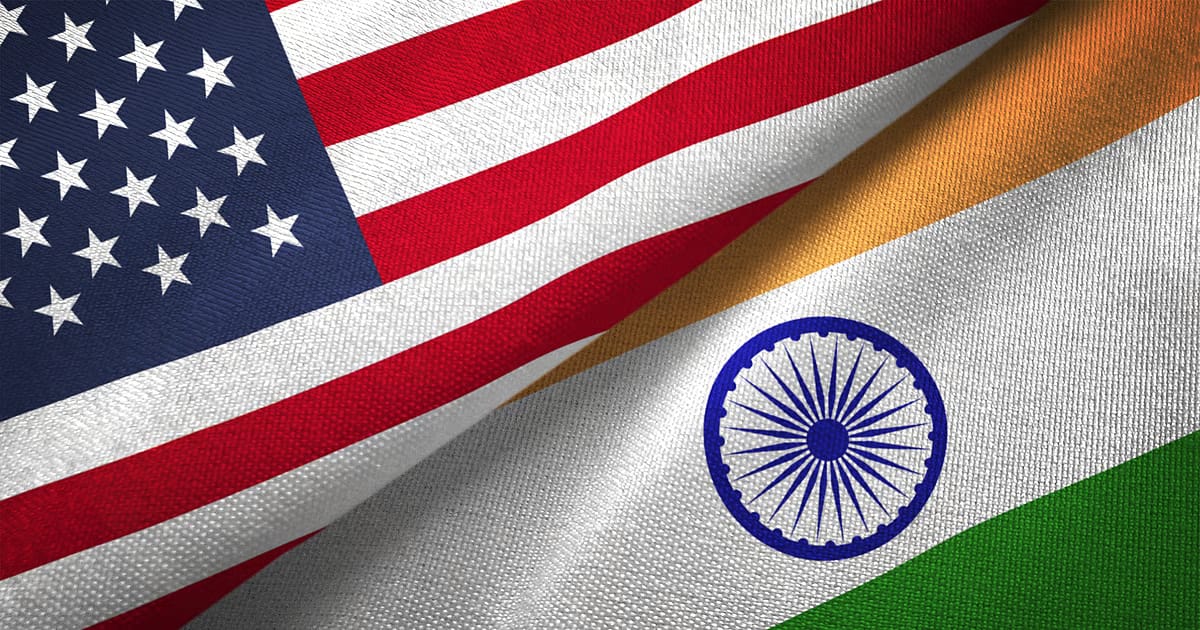
The trade tensions between the United States and India have escalated sharply following India’s continued purchase of discounted Russian oil, despite pressure from Western powers to align with broader sanctions against Moscow.
U.S. President Donald Trump, who returned to office in 2025, has taken a confrontational stance against several countries, including India, accusing them of:
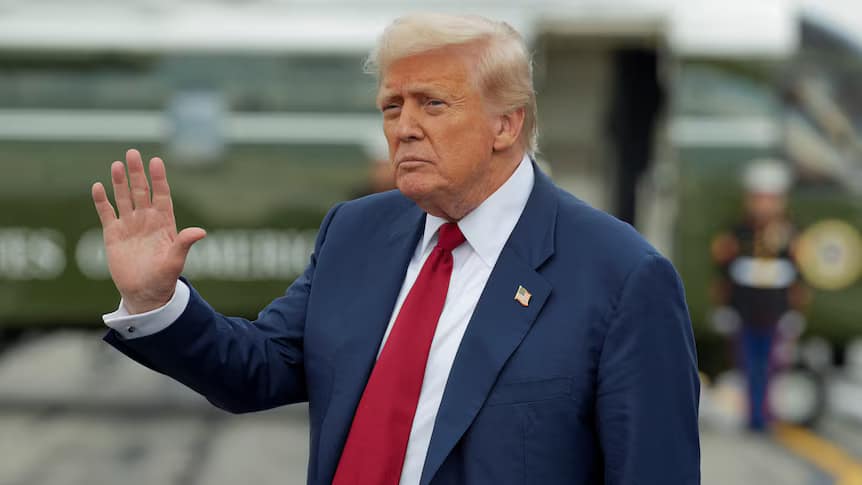
- Supporting Russian aggression indirectly by buying oil from Russia.
- Creating trade imbalances due to what he describes as unfair trade practices and market barriers in India.
He has termed India “not a good trading partner” and has alleged that India continues to “exploit American markets while protecting its own.”
📦 Tariffs Imposed: What’s Affected?
As of August 1, 2025, the U.S. has imposed a 25% import tariff on a wide range of Indian goods.
🔻 Key Indian exports targeted:
- Textiles and garments
- Jewelry and gems (especially diamonds)
- Pharmaceuticals
- Seafood
- Consumer electronics and auto parts
These industries collectively represent over $40 billion in annual exports to the U.S. Indian exporters are already reporting canceled orders, price renegotiations, and concerns over losing market share to competitors like Vietnam, Mexico, and Bangladesh.
🇮🇳 India’s Response: Standing Ground & Strategic Moves
India has:
- Rejected the U.S. claims, calling the tariffs unjustified and a violation of WTO principles.
- Accused the U.S. and EU of “double standards” by highlighting that Europe still buys gas and oil from Russia, while pressuring India to stop oil imports.
- Declined to retaliate with tariffs for now, choosing instead to focus on supporting domestic exporters.
The Indian government is preparing a ₹20,000 crore ($2.4B) support package to:
- Offset the impact of tariffs.
- Promote “Brand India” in alternate markets (e.g., Africa, Middle East, Southeast Asia).
- Increase subsidies, export insurance, and faster GST refunds for affected exporters.
📉 Economic Impact
- Economists estimate that these tariffs could:
- Shave off 0.3%–0.4% of India’s GDP in FY26.
- Cause a ₹4–₹5 depreciation in the INR vs USD due to investor outflows.
- Hit employment in export-dependent MSMEs (especially in Gujarat, Tamil Nadu, and Maharashtra).
- Foreign Institutional Investors (FIIs) have sold Indian stocks for 12 straight sessions, citing global uncertainty and policy risks.
🧭 Geopolitical Angle
The move also signals a cooling in U.S.–India relations, which had strengthened in recent years through:
- Defense cooperation (QUAD).
- Technology partnerships.
- Clean energy investments.
With this shift, India is:
- Strengthening economic ties with UAE, Russia, and Southeast Asia.
- Exploring rupee trade agreements and barter mechanisms to reduce dollar dependency.
- Accelerating talks with the EU, UK, and Gulf nations to diversify trade exposure.
🗣️ Key Statements
- Donald Trump: “India is not a fair partner. We give them access. They protect their markets. This stops now.”
- Indian Trade Ministry: “We have always stood by our national interest. We will continue buying oil from wherever it benefits our citizens.”
- NASSCOM & FIEO (Indian industry bodies): “We urge both governments to come to the table. Trade should not be a casualty of politics.”
🧐 What To Watch Next:
- Will Trump increase tariffs further (as he has warned)?
- How will India’s export package rollout impact MSMEs?
- Will India begin a formal complaint at WTO?
- Can India successfully pivot to other export markets fast enough?